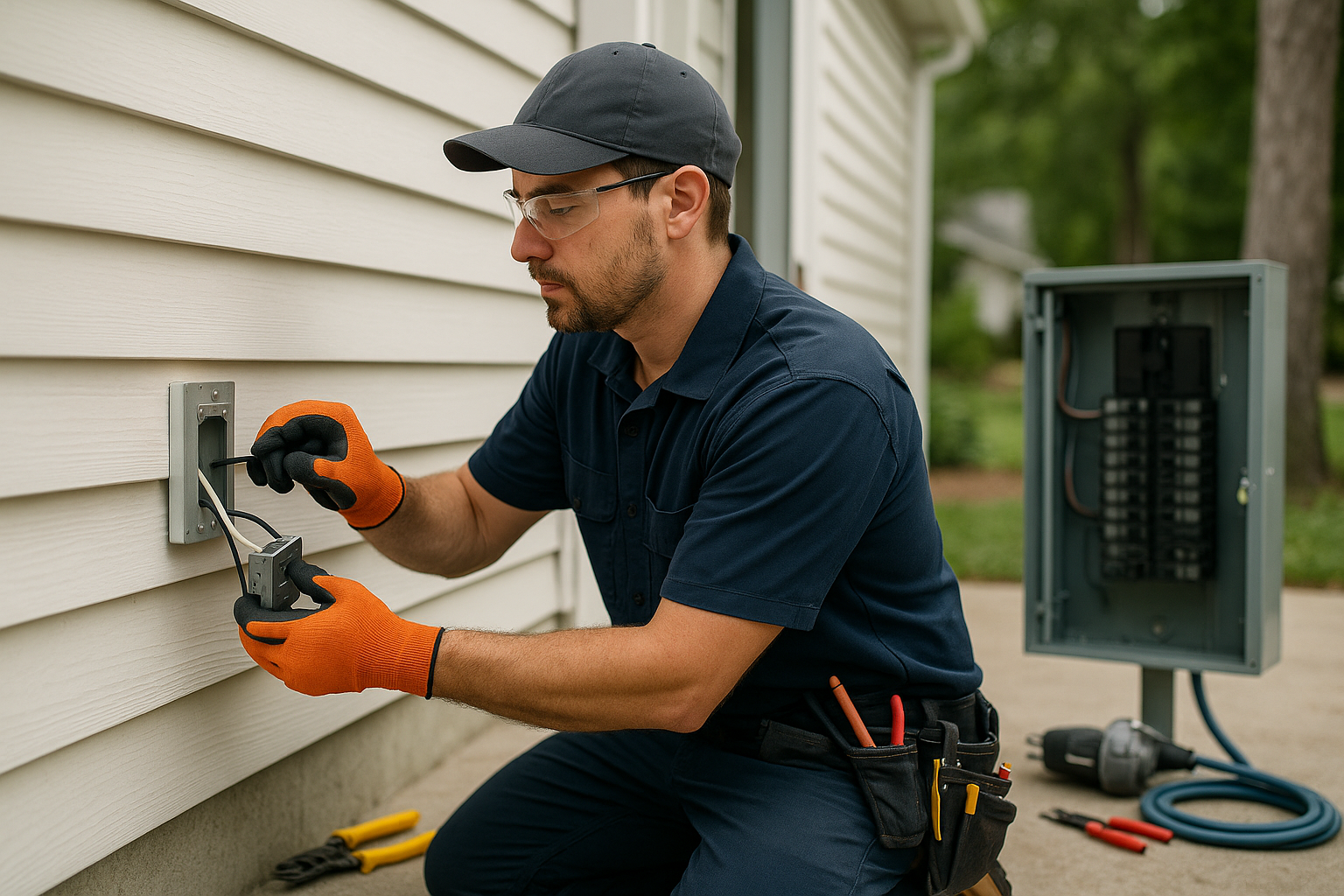
EV Charger Installation
EV charger installation requires a licensed electrician to ensure proper electrical capacity, safety compliance, and permit approval. Most residential installations cost $800-2,500 including materials and labor, with Level 2 chargers being the most popular choice for home use.
Types of EV Chargers for Your Home
Level 1 chargers plug into standard 120V outlets but charge slowly, adding only 3-5 miles of range per hour. Level 2 chargers require 240V circuits and professional ev charger installation, providing 25-40 miles of range per hour. DC fast chargers are typically commercial-grade and not suitable for residential use.
Most Wilmington homeowners choose Level 2 chargers for their convenience and reasonable charging speeds. These units work well with the area's electrical infrastructure and can fully charge most EVs overnight.
Electrical Requirements and Permits
Professional ev charger installation begins with evaluating your electrical panel's capacity. Most Level 2 chargers require a dedicated 240V circuit with 40-50 amp capacity. Older homes may need panel upgrades to handle the additional electrical load safely.
Wilmington requires electrical permits for hardwired EV charger installations. Licensed electricians handle permit applications and ensure installations meet local codes. The humid subtropical climate in coastal areas like Wrightsville Beach requires weatherproof installations and corrosion-resistant components.
Installation Process and Timeline
The ev charger installation process typically takes 4-8 hours for straightforward installations. Complex projects requiring panel upgrades or extensive wiring may take 1-2 days. Your electrician will first assess your electrical system, obtain necessary permits, then install the dedicated circuit and charging unit.
Proper installation includes mounting the charger in an accessible location, running appropriate wiring, installing safety disconnects, and testing the system. In neighborhoods like Midtown and Forest Hills, installations often involve running wiring through garages or to outdoor locations.
Cost Factors and Pricing
EV charger installation costs vary based on several factors. Basic Level 2 installations range from $800-1,500, while complex projects requiring panel upgrades can cost $2,000-3,500. Distance from the electrical panel to the charging location affects pricing, as longer wire runs increase material and labor costs.
Additional costs may include permit fees ($50-150), panel upgrades ($1,500-3,000), and trenching for underground wiring ($10-30 per linear foot). Smart chargers with WiFi connectivity and scheduling features typically cost $200-500 more than basic models.
Choosing the Right Location
Optimal charger placement considers convenience, electrical access, and weather protection. Garages provide ideal locations, protecting equipment from Wilmington's high humidity and hurricane season weather. Outdoor installations require NEMA-rated enclosures and proper drainage.
Consider your daily parking patterns and cord length when selecting locations. The charger should be easily accessible without creating trip hazards or blocking walkways. In the Downtown Historic District, installations may require additional considerations for historic property guidelines.
Finding Qualified Electricians
Successful ev charger installation requires electricians experienced with EV charging systems and local codes. Look for licensed professionals who understand permit requirements and can handle potential panel upgrades. Many electricians now specialize in ev charger installation due to increasing demand.
Verify licensing, insurance, and local references before hiring. Experienced electricians can recommend appropriate charger models and optimal placement for your specific situation. They should provide detailed estimates including all materials, labor, and permit costs.
Maintenance and Safety Considerations
Properly installed EV chargers require minimal maintenance but benefit from annual inspections. Coastal humidity can affect outdoor connections, making regular checks important for long-term reliability. Keep charging areas clean and ensure adequate ventilation around the unit.
Modern chargers include safety features like ground fault protection and automatic shutoffs. However, professional installation ensures these safety systems function correctly and meet current electrical codes. Never attempt DIY ev charger installation as improper wiring can create fire hazards and void warranties.
Frequently Asked Questions
- How long does EV charger installation take?
- Most residential EV charger installations take 4-8 hours. Complex projects requiring electrical panel upgrades may take 1-2 days to complete properly.
- Do I need a permit for EV charger installation in Wilmington?
- Yes, Wilmington requires electrical permits for hardwired EV charger installations. Licensed electricians typically handle permit applications and inspections.
- What's the average cost of EV charger installation?
- Basic Level 2 EV charger installation costs $800-1,500. Projects requiring panel upgrades or extensive wiring can cost $2,000-3,500 total.
- Can any electrician install an EV charger?
- Licensed electricians can install EV chargers, but those with specific EV charging experience understand optimal placement and local code requirements better.
- Will I need to upgrade my electrical panel?
- Panel upgrades depend on your current electrical capacity and charger requirements. Most Level 2 chargers need dedicated 40-50 amp circuits.
About the author: Matt Fowkes, Founder. Matt Fowkes founded the operator to connect homeowners with vetted local service professionals. He's spent over a decade studying how online directories and matching services work — what makes them trustworthy, what makes them fast, and why most fail homeowners.
More electrician guides for Wilmington
Need electrician help in Wilmington?
Get matched with a vetted local pro — free, no obligation.